

The Unseen Struggles of South African Car Guards: How Digitip is Revolutionising Their Livelihoods
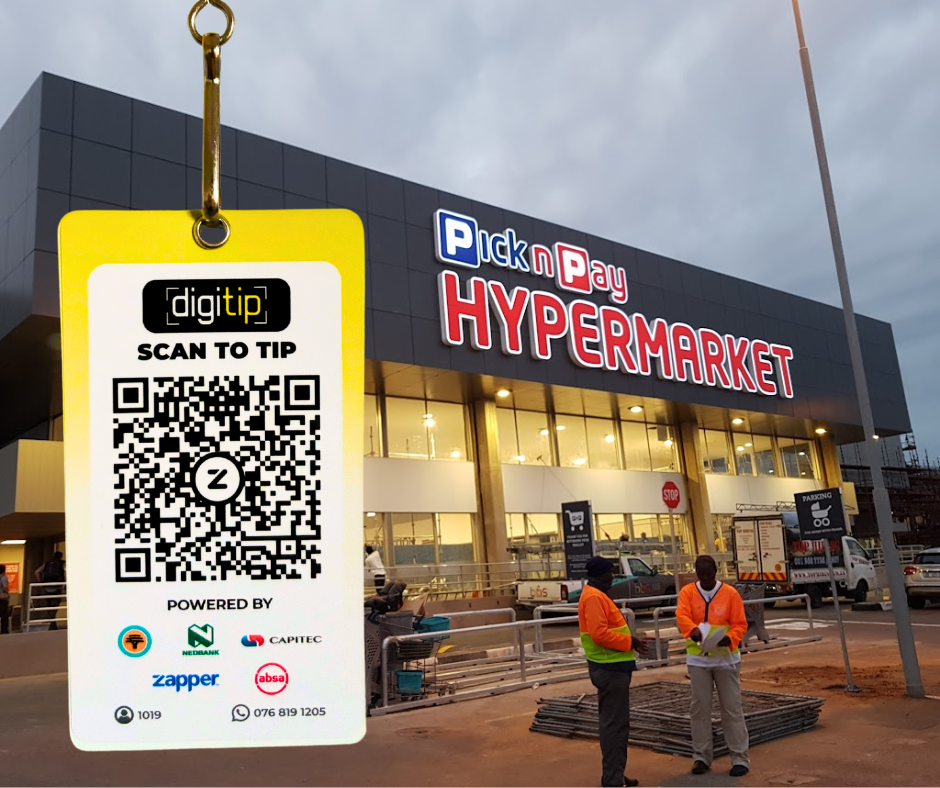
In South Africa, car guards are a familiar sight in parking lots, watching over vehicles while drivers go about their business. For many, these men and women represent a unique kind of informal security, offering peace of mind in exchange for tips. However, what most people don’t realize is the significant challenges car guards face behind the scenes. From paying daily ramp fees to dealing with inconsistent earnings due to the cashless economy, the life of a car guard can be precarious. Fortunately, new technologies like Digitip are stepping in to help.
The Role of Car Guards in South Africa
Car guards have become an integral part of South African society. They provide a crucial service in urban areas by keeping watch over vehicles, offering assistance with parking, and in most cases, deterring potential thefts or break-ins. Despite the important role they play, car guards often operate on the fringes of the formal economy.
90% of car guards rely entirely on tips for their income, which can fluctuate drastically depending on the location, the time of day, and how busy the area is.
The Hidden Costs: Ramp Fees
One of the lesser-known challenges car guards face is the ramp fee. Many agencies in South Africa charge car guards a daily fee for the privilege of working in a parking lot. These ramp fees can range from R10 to R50 or more per day, depending on the area, day and time of year.
This means that before a car guard earns a single cent, they have to pay out of their pocket just to secure a spot to work. If they don’t make enough in tips that day, they can end up going home with nothing—or worse, at a loss. Ramp fees put added pressure on car guards to earn enough tips just to break even, making the days when parking lots are slow or patrons are stingy all the more stressful.
The Impact of a Cashless Society
Another major challenge for car guards is the ongoing shift toward a cashless society. As more South Africans embrace digital payment methods like credit cards, mobile payments, and e-wallets, the number of people carrying cash in their pockets has significantly decreased.
For car guards who rely on cash tips, this trend is worrisome. Many people are willing to tip but simply don’t have coins or small bills on them, leaving car guards empty-handed even when they’ve provided excellent service. This disconnect between patrons’ willingness to tip and their ability to do so creates a significant barrier to earning.
How Digitip is Changing the Game
Then there is Digitip, a digital tipping service that offers a much-needed solution to the cashless tipping problem. Digitip allows car guards to receive tips via mobile payment, making it easier for people to tip even when they don’t have physical money on hand.
Here’s how Digitip works: patrons scan a unique QR code displayed by the car guard using their smartphone through apps like Zapper and their banking app. This code links directly to the car guard’s account, where they can securely receive payments. The simplicity and convenience of Digitip encourage more people to tip, resulting in better earnings for car guards.
Beyond Tipping: How Digitip Improves Car Guards’ Lives
Digitip doesn’t just make tipping easier; it also offers long-term benefits for car guards. By enabling digital payments, car guards can keep track of their daily earnings more efficiently, gain access to a more reliable income stream, and even start building a financial history. This is especially important for informal workers like car guards, who often struggle to access financial services due to a lack of credit history or formal employment records.
With a steady flow of digital income, car guards can also reduce their reliance on cash, which can be risky to carry around. Digital payments help minimize the chances of theft or loss, offering a safer and more secure way to manage earnings.
The Ripple Effect: How Digitip Uplifts Communities
The benefits of Digitip extend beyond individual car guards—it has the potential to uplift entire communities. Car guards are often the sole breadwinners in their families, and increasing their income has a direct impact on their dependents. The extra money earned through digital tips can be used for essentials like food, shelter, education, and healthcare, improving the overall quality of life for these individuals and their loved ones.
Additionally, Digitip provides an opportunity for patrons to engage in more meaningful acts of generosity. By removing the barrier of needing cash to tip, more people are likely to give, which in turn fosters a stronger sense of community and appreciation for the work that car guards do.
Overcoming the Challenges
Of course, Digitip isn’t without its challenges. As with any new technology, there is a learning curve involved. Car guards need to familiarize themselves with how to use Digitip, and not everyone has immediate access to a smartphone. Digitip, however, is committed to making our service as accessible as possible. The team provides training to car guards on how to use Digitip and educates them on the benefits of digital tipping.
Conclusion
Car guards in South Africa provide an essential service, often facing numerous challenges that go unseen by the general public. From paying daily ramp fees to struggling with the transition to a cashless society, the life of a car guard is far from easy. Yet, solutions like Digitip are stepping in to offer hope and opportunity. By enabling digital tips, Digitip is helping car guards earn more consistent income, stay safe from cash-related risks, and ultimately improve their lives and the lives of their families.
As South Africa continues to evolve into a cashless society, innovative solutions like Digitip are proving that technology can make a real difference in the lives of informal workers. Through services like these, we have the chance to show our appreciation for the car guards who look after us and our vehicles every day.